
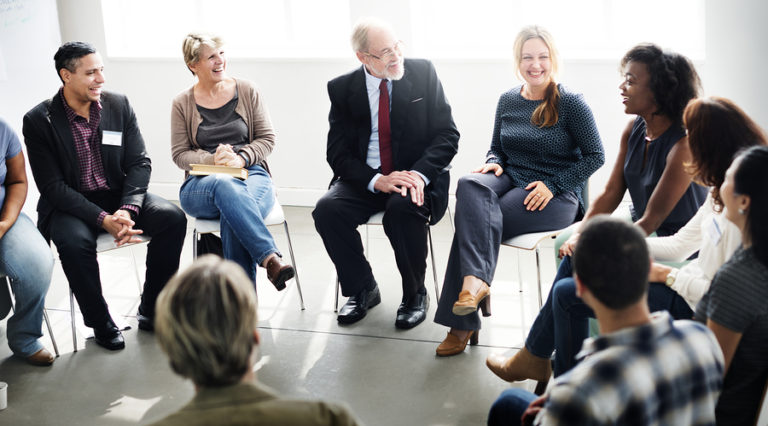
Diversity Builder provides diversity training programs for employees, managers, supervisors, and organizational leaders across the United States. Programs can be delivered through onsite instructor-led workshops, live virtual sessions, employee or executive coaching, and online learning options.
Founded in 2003, Diversity Builder works with organizations that want more than a one-size-fits-all presentation. Training can be customized around your workforce, industry, organizational goals, employee roles, and the specific workplace skills your team needs to develop.
Our course catalog covers topics including cultural competency, unconscious bias, respectful workplace behavior, disability inclusion, generational differences, bystander intervention, effective communication, emotional intelligence, leadership, harassment prevention, gender identity and expression, and other areas that affect how people work together.
Workplace Diversity Training Built Around Your Organization
Effective workplace diversity training should give employees useful knowledge while also helping them apply what they learn to everyday interactions, communication, decisions, and working relationships.
Diversity Builder uses interactive, experiential learning rather than relying only on lecture-based instruction. Depending on the program, participants may work through case studies, workplace scenarios, role-playing exercises, facilitated discussions, self-reflection, and other learning activities.
This approach allows organizations to move beyond basic diversity awareness toward practical diversity skills training.
Programs can be developed for corporations, nonprofit organizations, government departments, small businesses, healthcare organizations, educational institutions, professional firms, public-safety teams, and other employers.
Training needs are rarely identical from one organization to another. An HR team addressing cross-cultural communication may need a different program than a leadership team working on unconscious bias, a small business building foundational awareness, or a department responding to concerns about workplace respect.
That is why Diversity Builder focuses on the audience, the workplace context, and the behavior or skills the organization wants employees to understand and practice.
[1] Davis, Alicia S.; Kafka, Adrienne M.; González-Morales, M. Gloria; Feitosa, Jennifer (2021). Team Belonging: Integrating Teamwork and Diversity Training Through Emotions.
[2] Phillips, Katherine E. (2014) How Diversity Makes Us Smarter
Request Diversity Training Programs Training Information
What Are Diversity Training Programs?
Diversity training programs are structured learning experiences that help employees and leaders understand differences among people and develop skills for working respectfully and effectively across those differences.
Workplace programs may address cultural backgrounds, disability, generations, gender, race, communication styles, unconscious bias, inclusion, accessibility, workplace behavior, and related topics.
Some organizations start with foundational diversity awareness training programs. Others need deeper learning around a specific workplace challenge, such as cultural competency, bias, communication, harassment prevention, disability inclusion, or leadership.
A complete program may include one workshop or a sequence of courses. The right structure depends on the audience, organizational goals, existing knowledge, workplace needs, and training format.
Diversity Builder offers both broad diversity training programs in the workplace and specialized courses so organizations can select the level of learning that fits their teams.
[1] Davis, Alicia S.; Kafka, Adrienne M.; González-Morales, M. Gloria; Feitosa, Jennifer (2021). Team Belonging: Integrating Teamwork and Diversity Training Through Emotions.
[2] Phillips, Katherine E. (2014) How Diversity Makes Us Smarter
Explore Diversity Builder Training Programs
Diversity Builder’s course catalog allows the HR and learning and development team to build a program around the topics most relevant to their workforce.
Diversity, Inclusion & Cultural Awareness
Foundational diversity and inclusion programs help employees understand how differences in identity, experience, culture, perspective, and communication can influence workplace interactions.
Organizations may combine foundational learning with more focused topics such as cultural competency training, racial sensitivity, intersectionality, gender identity and expression, accessibility, or disability inclusion.
For teams seeking cultural diversity in the workplace training, cultural competency programs can go deeper into cross-cultural communication, cultural awareness, bias, and practical strategies for working with colleagues, customers, patients, or community members from different backgrounds.


Unconscious Bias & Microaggressions
Unconscious bias training helps participants examine how automatic snap judgements or heuristics influence communication, workplace interactions, and decisions and learn how to interrupt bias at work.
Programs address stereotypes, microaggressions, exclusion, and ways employees can pause, reflect, reframe thoughts, and respond more intentionally.
Diversity Builder’s approach connects bias awareness with workplace behavior. Employees learn effective ways to identify where bias may show up and how to address it as well as how to stop bias in the beginning of the thought process. .
Diversity & Sensitivity Training
Some organizations are looking for diversity sensitivity training, diversity and sensitivity training, or employee sensitivity training classes when the goal is to improve awareness, communication, and respect.
Sensitivity training can address how comments, assumptions, behaviors, or communication choices affect coworkers. Depending on organizational needs, the program may connect sensitivity with unconscious bias, cultural awareness, disability, gender, respect, or harassment prevention.
Because sensitivity training is a broad term, organizations should first define the workplace behavior or learning need they want the program to address.
Respect, Civility & Workplace Culture
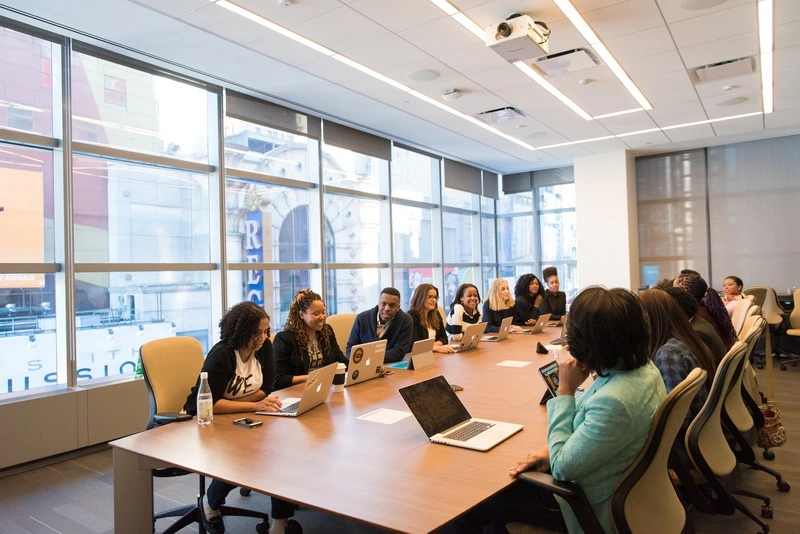
Respectful workplace programs establish practical expectations for how employees communicate, disagree, collaborate, and respond when problems arise.
Diversity Builder offers these courses to support a culture that emphasizes community and belonging: Respect in the Workplace , Sensitivity training, Civility in the Workplace training, difficult conversations, Avoiding Toxic Workplace Behaviors, emotional intelligence, conflict resolution, and effective communication.
These programs reinforce communication and behavioral expectations that support the mission and core values of the corporate company, government department, or non-profit organization. The training moves from self-awareness to employing effective strategies in common work conversations and interactions..
Bystander Intervention & Harassment Prevention
Bystander intervention training gives employees “go to” responses to halt microaggressions or harassment that is deemed inappropriate, disrespectful, exclusionary, or harmful. The responses are not mandatory, and the employee must consider factors such as power dynamics and psychological safety.
Harassment prevention programs are ideal to stop microaggressions before they become sexual harassment, bullying, or a hostile work environment. The trainer will share how the corporation’s or organization’s core values support a harassment-free workplace. The goal is for the employees to embrace the change that accompanies compliance with the orgnization’s mission, vision, and values, along with policies, local, state, and federal laws.

Disability Inclusion & ADA Training
Disability inclusion programs help employees and managers consider and create equitable workspaces for team members, vendors, customers, and visitors by placing accessibility at the forefront. The laws will be covered as a foundation from which to build workplaces where people with disabilities have all they need to thrive. Participants in past classes have appreciated learning about inclusive language, plain language, and terminology to use when interacting. Feedback also shows that the learners liked knowing more about what a disability is, the interactive process, and how to apply inclusive practices in the hiring process and company events.
Diversity Builder’s Disability Inclusion Training focuses on creating accessible and inclusive workplace spaces and practices, while ADA Compliance Training is more focused education on the required steps employers should take under the Americans with Disabilities Act, including what accommodations are reasonable, how to engage in the interactive process, legal definition of disability (what qualifies as a disability) medical confidentiality, avoiding disability discrimination, and related workplace responsibilities.
Manager-focused programs address ADA requirements from a supervisory perspective including the reasonable accommodation process, how to handle medical and other leave questions, when to involve the ADA coordinator, using plain language, what to do when an employee shares a workplace barrier or a medical limitation, how to best interact with employees and applicants with disabilities.
Generational Diversity
We now have five generations often working within one place. The latest multigenerational workforce is vastly different compared to prior generational teams at work. With five different generations working together under one roof, identifying ways teams work best interact and considering generational differences supports successful collaboration. Generational differences occur in areas of preferred communication methods, technology use, preferred name (how they wish to be addressed), workstyle, prior job experiences, and overall perspectives.
List the Five Generations in Today’s Workplace
Traditionalists
Baby Boomers
Generation X (or Gen X)
Millennials
Generation Z (or Gen Z)
*Note – In 2028, Generation Alpha is expected to start entering the workplace. There are currently seven total generations living in the US.
Generational Diversity Training helps employees gain self-awareness about stereotypes/biases and develop stronger ways to communicate and collaborate across age groups. The training includes the list of the 5 generations in the workforce by year and the influences each generations had, ageism, discrimination, and best practices in communicating, mentoring, and work together across ages.
Leadership, Management & Employee Coaching
Managers and leaders influence how workplace expectations are communicated and reinforced.
Diversity Builder’s leadership workshops include fostering effective communication, emotional intelligence, performance management, excellence in leadership, professionalism, having difficult conversations, and employee or executive coaching.
Organizations can separate manager training from general employee training when supervisors need specific development or skills/ responsibilities addressed.
Diversity Training for Managers & Supervisors
Managers require specific examples and case studies related to their leadership role. Their job responsibilities include leading the teams, setting the bar on expectations, reinforcing core values, giving feedback, managing conflict, having performance discussions, addressing violations of policies, discussing performance issues, and supporting employee development.
Diversity training for managers includes management examples and case studies and may include topics such as leadership communication, equitable practices for leaders, disability awareness, having difficult conversations, accountability and expectations, performance management, and other supervisor-specific topics.
Leadership Training
Executives and senior leaders can use training surveys and feedback to examine how leadership behaviors, the employee experience communication, organizational expectations, and decision-making shape workplace culture.
Training workshops topics are inclusive leadership, emotional intelligence, effective leadership communication skills, cultural competency, unconscious bias, or other leadership-development topics based on organizational goals and manager development.
Diversity Training for Government & Federal Employees
Diversity Builder has experience working with local, state, and federal government organizations.
Programs for public-sector teams may focus on cultural competency, communication, disability inclusion, generational differences, workplace respect, leadership, or other workforce-development needs. Diversity Builder is an LGBTBE-certified supplier and is an active training corporation in SAM (System for Award Management)
Organizations researching diversity training for federal employees can discuss the audience, agency goals, delivery method, and specific training topics before a program is developed.
Diversity Builder’s documented client experience includes federal organizations and agencies such as the U.S. Environmental Protection Agency, Department of Energy, US Capital Visitors Center, Department of Housing and Urban Development, the United States Airforce, The US Army, and TSA.

Customized Diversity Training for Your Organization
Diversity Builder develops programs around the people who will actually participate.
Customization may consider:
- organizational goals
- industry
- workplace interactions
- manager versus employee needs
- company values
- existing knowledge
- workplace scenarios
- specific communication or behavioral concerns
- requested training topics
This can be especially useful when off-the-shelf inclusion training programs do not adequately reflect the organization’s working environment.
Diversity Builder trainers have developed learning for employees across corporate, government, nonprofit, healthcare, financial, manufacturing, educational, public-safety, and other settings.
The training does not need to become more complicated simply because it is customized. The purpose is to remove irrelevant material and make examples and activities more useful to participants.
Onsite, Virtual & Online Diversity Training
Organizations differ in how and where employees work, so Diversity Builder offers several learning options.
Onsite Instructor-Led Training
A Diversity Builder trainer can travel to an organization’s location to facilitate an in-person workshop.
Onsite training works well when organizations want live discussion, group exercises, workplace scenarios, and direct interaction with a facilitator.
Diversity Builder maintains trainers in major U.S. metropolitan areas and coordinates training nationwide.
Live Virtual Training
Live virtual sessions allow a Diversity Builder trainer to facilitate the program remotely while employees participate in real time.
This format can work well for distributed organizations, hybrid workforces, or teams located in several offices.
Online Training
Self-paced online diversity training provides asynchronous learning with flexibility when employees need to complete courses individually. People seeking options for CPE’s or continuing education can take these remote correspondence courses.
Diversity Builder maintains a separate online course library, so organizations primarily seeking self-directed learning should review the dedicated online training options.
List of Online Training Topics
Diversity and Inclusion in the Workplace: This course builds foundational understanding and sensitivity to differences in the workplace with a focus on respectful and appropriate conversations and behaviors at work.
Unconscious Bias: This training is landmark for the workplace in helping employees and managers be self-aware of bias at work, the harm it can cause, and how to stop bias within the workplace.
Racial Equity and Inclusion: This course lays the foundational learning about the history of racial discrimination and inequities and how to create workplaces which support difference,
Bullying in the Workplace: This training covers the definition of bullying, the harm it can cause, when it may present a hostile work environment, and how to prevent it.
Harassment Prevention for Supervisors: This class is geared to cover the role of managers in preventing harassment.
Chicago Bystander Intervention: This course follows Chicago’s requirements for bystander intervention training and makes intervening a compelling option when microaggressions, harassment, or bullying behavior occur.
Harassment Prevention for Employees: This course is the federal version of the harassment prevention and anti-discrimination training, with special content for California and other states with mandates.
Multigenerational Workplace: Learn ways to connect across generations in communication, technology, mentoring, and projects.
Emotional Intelligence: Learn the basics of understanding one’s own emotions and those of coworkers and supervisors. The course will help employees and managers better understand how emotions are best managed at work and see the value of empathy and self-awareness, self-regulation, motivation, and social skills
Certified Safety and Health Manager (CSHM®) Exam Preparation Course: This complete virtual training course prepares managers for the Certified Safety and Health Manager (CSHM®) exam. The course highlights six essential domains—planning, leadership, risk assessment, operations, monitoring, and incident investigations and covers the key competencies that are critical success marks in the safety and health arena.
Moving From Peer to Supervisor – This class navigates the transition of moving from employee (peer) to a management role. The class includes guidance on setting expectations, setting boundaries with former peers, communication and leadership strategies for new supervisors, coaching, mentoring and motivation
Workplace AI Use and Ethics: This class explores AI ethics and bias that may arise in the workplace as well as addressing privacy concerns, risks in equity, and customer transparency.
WHMIS (Workplace Hazardous Materials Information System )Training: This is the required course for Canadian employees who work around hazardous materials.
HAZCOM: This course is the U.S. equivalent training to WHMIS, often needed for OSHA compliance.
OSHA Top 10 Violations and How to Prevent Them: These specialized training modules targeting frequently cited safety hazards like Fall Prevention and Electrical Hazards.
Workplace Violence Prevention: This course is rising in popularity resulting from new state laws, such as California’s SB 553.
Employee & Executive Coaching
Individual coaching can address situations where an employee, manager, supervisor, or executive needs more focused learning.
Coaching topics may include communication, sensitivity, leadership, emotional intelligence, conflict, disability awareness, gender sensitivity, microaggressions, harassment prevention, and workplace respect.
Training Employees Across Multiple Shifts
Workforces do not always operate from 9 to 5.
Manufacturing teams, healthcare organizations, hospitality groups, public-safety departments, and other employers may need training across multiple shifts.
Diversity Builder has offered evening, night, and weekend, including Saturday and Sunday scheduling to accommodate shifts. Scheduling options are shared once the trainer and coordinator learn key factors such as when the shifts begin and end, the number of employees and supervisors, and the dates available..
What Participants Learn
Learning objectives depend on the selected course, but workplace diversity programs support development in skills related to:
- recognizing assumptions and unconscious bias
- communicating across cultural differences
- identifying microaggressions, bias, and stereotyping
- practicing respectful workplace communication
- understanding disability inclusion and accessibility
- working across generational differences
- responding to exclusionary or disrespectful behavior
- improving active and resilient listening
- navigating difficult conversations
- understanding the role of bystanders
- applying inclusive workplace behaviors
- creating individualized action steps post-training
This focus on application separates diversity skills training from programs that stop after definitions and awareness.
Interactive, Experiential Learning Instead of Lecture-Only Training
Diversity Builder uses an experiential approach based on adult learning principles, rather than one way communication that resembles a lecture..
Here are some of the interactive features the trainers use:
- workplace case studies
- guided discussion
- relevant role-playing
- work-related learning activities
- self-reflection
- assessments
- scenario analysis
- action planning
Employees bring their own lived experiences to training and are encouraged to share within the exercises and discussion.. Facilitated learning gives participants a way to connect new information with real workplace situations and consider how they will respond when similar situations occur after the session.
This approach is particularly useful for communication, cultural competency, bias, sensitivity, leadership, and respect training because employees have opportunities to think through behavior rather than only memorize definitions.
Experienced Diversity Trainers
A workplace program is shaped not only by the curriculum but also by the person facilitating it.
Diversity Builder’s diversity trainers have varied cultural, educational, racial, and professional backgrounds. Many of the trainers hold advanced degrees (Masters and Doctorates) and professional certifications.
Specific Diversity Builder trainer experience includes disability, harassment and discrimination prevention, gender, cultural competency, sexual harassment prevention, emotional intelligence, ADA training, cultural sensitivity, change management, cross-cultural communication, collaboration, team development, leadership, and other workplace topics.
A diversity and inclusion trainer adjusts the curriculum when leading an executive team versus frontline employees, managers, healthcare professionals, law-enforcement personnel, or a small-business staff.
That ability to adapt the discussion and examples to the group is one of the reasons live facilitation can add value when a corporate company or organization seeks training that will be meaningful to their team and the work they do.
A Diversity Training Company Serving Organizations Nationwide
Diversity Builder was founded in 2003 and has worked with more than 500+ organizations across the United States.
Its client experience spans corporations, nonprofits, healthcare organizations, government agencies, financial institutions, educational institutions, pharmacy, manufacturing companies, professional firms, public-safety departments, and other organizations.
Diversity Builder has a national trainer network with facilitators in major metropolitan areas including Chicago, New York City, Houston, Dallas, Los Angeles, Nashville, San Diego, San Francisco, Washington, DC, Boston, Charlotte, and other locations.
Frequently Asked Questions About Diversity Training Programs
What is a diversity training program?
A diversity training program is a structured learning program that helps employees and leaders understand differences among people and develop practical skills for respectful, inclusive workplace interactions. Programs may cover diversity, cultural competency, unconscious bias, communication, disability inclusion, sensitivity, generational differences, leadership, and related topics.
What should workplace diversity training include?
The right content depends on the organization. A program should have clear learning goals, relevant topics, appropriate examples, a defined audience, a suitable training format, and practical ways participants can apply what they learn. Organizations should avoid adding topics simply to make the program longer.
What are the different types of diversity training?
Common types include diversity and inclusion training, cultural competency, unconscious bias, sensitivity training, disability inclusion, generational diversity, gender inclusion, bystander intervention, respectful workplace training, and inclusive leadership. Diversity Builder offers dedicated programs in many of these areas.
Who should receive diversity training?
Employees, managers, supervisors, and leaders can all participate, but they may not need identical content. Managers often need additional training related to leadership, communication, accountability, workplace decisions, and employee interactions.
Should managers and employees be in the same training sessions?
Sometimes it is beneficial to have employees and managers in the same training. That way all staff learn the same techniques and vocabulary.
Separate learning tracks also have benefits such as additional context to cover the perspective and responsibilities of a manager that often differ from that of an employee.
Can diversity training be customized?
Yes. Diversity Builder can customize training based on an organization’s workforce, industry, goals, audience, values, and priority topics. Customization may also include relevant workplace scenarios or separate content for managers and employees.
Can you train employees across multiple shifts?
Organizations with multiple shifts can discuss scheduling needs when planning the program. Diversity Builder has offered evening, night, and weekend training when needed, which can help employers provide access to employees working different schedules.
Do you offer virtual diversity training?
Yes. Live virtual training allows employees to participate remotely while working with a Diversity Builder facilitator in real time.
Do you offer online diversity training?
Yes. Diversity Builder offers self-paced online workplace training in addition to onsite workshops and live virtual programs. The dedicated online-training catalog provides more information about available e-learning courses.
How long does diversity training take?
Training length depends on the topic, audience, organizational goals, delivery format, and level of depth required. Diversity Builder offers options ranging from focused presentations and workshops to longer programs and multi-session learning.
What is the difference between diversity training and sensitivity training?
Diversity training is a broader category that may address differences, inclusion, culture, bias, communication, accessibility, and workplace behavior. Sensitivity training focuses on awareness of how words, assumptions, and behaviors affect other people. Organizations sometimes combine both.
What is the difference between diversity training and unconscious bias training?
Diversity training covers current workplace culture, the differences in the latest workforce identities (such as race and gender), and how to best communicate inclusively.. Unconscious bias training looks at the automatic shortcuts the brain makes in responding to situations (heuristics) and how one’s reactions may influence interactions or decisions. Implicit bias training can be included within a larger diversity program or delivered as a dedicated course.
Build a Diversity Training Program for Your Workplace
Every organization starts from a different place.
Your team may need an introduction to the basics in diversity and inclusion training, a specialized course, separate manager and employee sessions, employee coaching, a small business program, training across multiple locations or work shifts, or help deciding which topics make sense.
Diversity Builder can help you identify the right course topics, audience, delivery format, and level of customization.
Request Training Information to discuss your workforce, training goals, number of participants, preferred delivery method, and scheduling needs.